


Topics
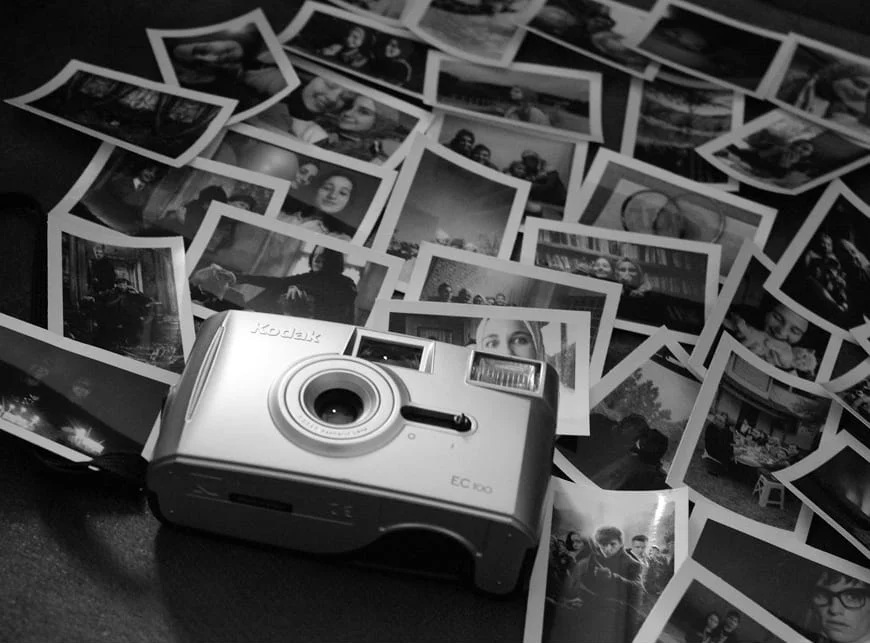
Here's what's happening on event floors right now: Brands are spending millions on AI-powered everything, metaverse activations, and experiences so futuristic they need instruction manuals. Meanwhile, the activation with the longest line? A vintage photo booth that looks like it time-traveled from 1975.
This isn't irony. It's strategy.
Nostalgia marketing has exploded from a creative flourish into a full-blown conversion science. Google Trends shows "nostalgia marketing" searches up 300% since 2020. Pinterest reports "retro aesthetic" saves jumping 185% year-over-year. And at Capture Pod, we're deploying more vintage photo experiences than ever—not because brands are feeling sentimental, but because the data is undeniable: nostalgia converts.
But here's what most agencies and brands get wrong: they think nostalgia marketing is about the past. It's not. It's about creating emotional safety in an overwhelmingly digital present. And when you understand that distinction, you stop decorating with retro props and start engineering experiences that actually change behavior.
This article breaks down why nostalgia marketing is dominating 2026, how retro photo experiences became its most reliable execution, and exactly how to deploy it without looking like you raided a thrift store.
What Nostalgia Marketing Actually Is (Spoiler: It's Not What You Think)
.webp)
Nostalgia marketing is the strategic use of familiar, past-inspired elements to create emotional comfort, reduce cognitive load, and increase engagement in modern contexts.
That's the definition for the algorithms. Here's the definition for humans:
Nostalgia marketing uses the feeling of "I remember this" to make people feel safe enough to engage with something new.
It's not about accuracy—Gen Z is nostalgic for eras they never experienced. It's not about specific decades—"retro" can mean anything from the 1920s to the early 2000s. It's not even about the past—it's about using familiar cues to navigate an unfamiliar present.
The most successful nostalgia marketing doesn't transport people backward. It brings forward the emotional comfort of the past to make today's experiences feel manageable.
Why Nostalgia Marketing Is Having Its Moment Right Now
Let's address the obvious: the world feels fast, chaotic, and increasingly digital. AI changes everything weekly. Social platforms rise and fall monthly. Brand messages hit us thousands of times daily.
In this environment, nostalgia isn't escapism—it's navigation.
Research published in Marketing Theory shows that nostalgia functions as an emotional regulator in consumer behavior, helping people maintain psychological comfort in overwhelming environments. When everything feels uncertain, familiar things feel safe.
For event marketers and brands, this creates an opportunity. While everyone else is competing to be the most innovative, most disruptive, most future-forward experience, nostalgia marketing says: "Hey, remember when things felt simpler? Let's go there for a minute."
That permission to pause is powerful. It's why retro photo experiences consistently outperform their digital counterparts, even when the digital versions are objectively "better."
The Psychology That Makes Nostalgia Marketing Work
Here's what's actually happening in people's brains when nostalgia marketing hits right:
1. Cognitive Load Reduction
Modern experiences often require learning. New interfaces, new behaviors, new social norms. Nostalgic experiences bypass that entirely. People already know the script.
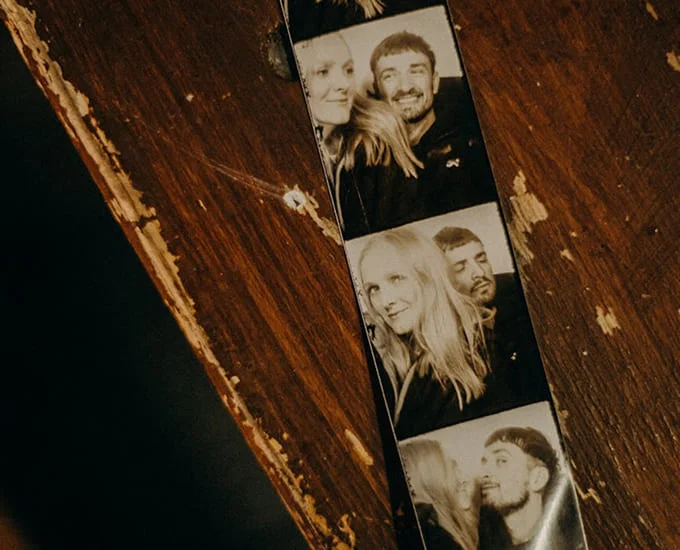
When someone sees a vintage photo booth, they don't need a tutorial. They don't need an app. They don't need to worry about looking stupid. The cognitive load drops to near zero, and participation becomes effortless.
2. Emotional Regulation
Nostalgia literally makes people feel warmer. Research from the University of Southampton found that nostalgic memories increase perceptions of physical warmth and tolerance for cold. The study, published in the journal Emotion, showed participants who recalled nostalgic events could hold their hands in ice water longer than those recalling ordinary memories.
In overwhelming environments—like every trade show, conference, and brand activation ever—that warmth becomes a competitive advantage. People gravitate toward experiences that regulate their emotional state.
3. Social Connection Without Risk
According to research published in PubMed, nostalgia operates through feelings of social connectedness, which is why nostalgic experiences create instant common ground. Everyone knows what a photo booth is. Everyone has a photo strip story. That shared understanding removes social friction and makes group participation feel natural.
This is why vintage photo booths consistently see higher group participation than modern alternatives. The format itself is a social script everyone knows how to follow.
Why Retro Photo Experiences Are the Perfect Expression of Nostalgia Marketing
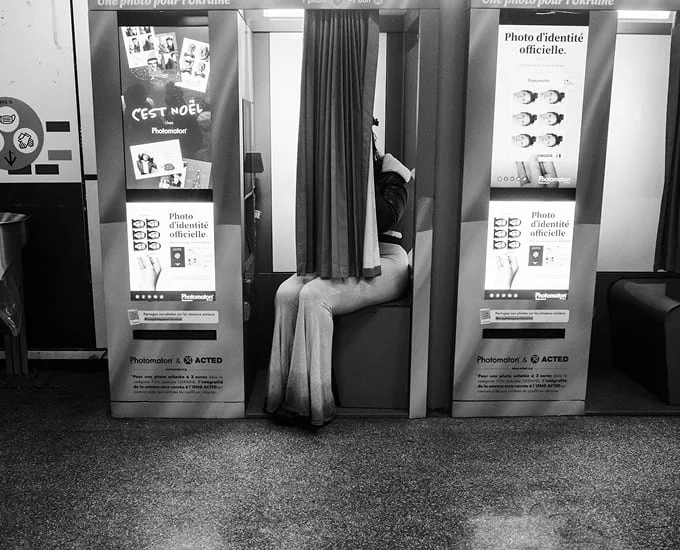
Lots of things can be nostalgic. Retro photo experiences are nostalgic AND functional.
They hit every requirement:
- Instantly recognizable (zero learning curve)
- Emotionally warm (private, comfortable, familiar)
- Socially connective (group activity with established norms)
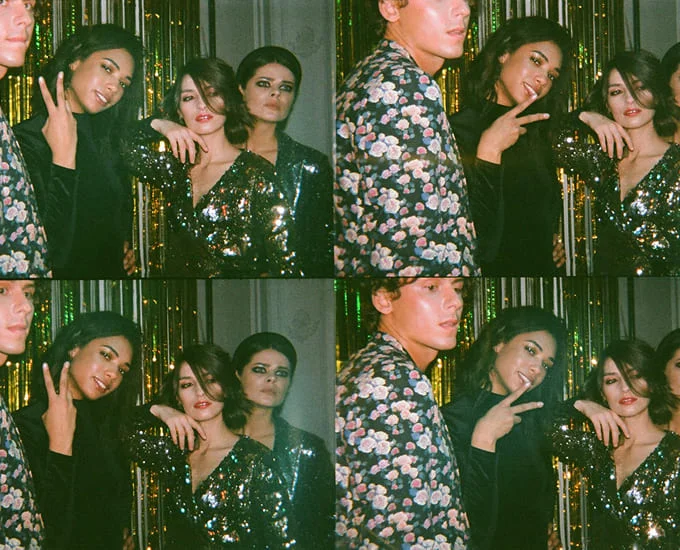
- Tangibly memorable (physical output that lasts)
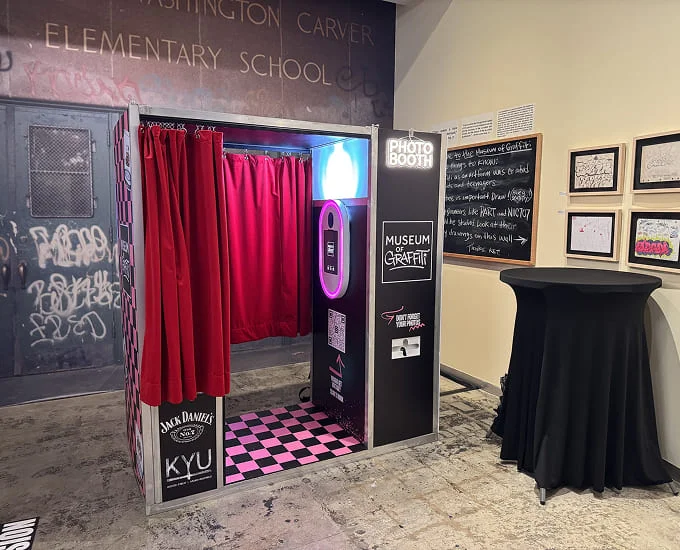
At Capture Pod, we see this play out constantly. Our vintage photo booth rentals consistently outperform newer formats on participation rate, dwell time, and organic sharing—not because they're novel, but because they're not.
The familiarity IS the feature.
How Nostalgia Marketing Shows Up Across Industries
Tech Companies Using Analog Antidotes
The biggest tech companies are increasingly using nostalgic experiences to humanize their brands. Google's pop-ups feature typewriters. Meta's events include vinyl record stations. Microsoft brings in vintage arcade games.
Why? Because constant innovation is exhausting. Even for the companies creating it.
These brands use nostalgia marketing as a pressure valve—a way to say "we're human too" without abandoning their innovative identity. A vintage photo booth at a tech launch doesn't contradict the future-forward message. It complements it by providing emotional balance.
Retail Creating "Discovery" Through Familiarity
Pop-up shops styled like old record stores. Brand activations that recreate childhood bedrooms. Product launches in spaces designed to look like vintage diners.
According to McKinsey's 2024 consumer research, retail brands discovered that nostalgia marketing doesn't just attract attention—it changes behavior. People explore more, touch more products, and stay longer in spaces that feel emotionally comfortable.
The photo booth becomes a natural extension of this strategy. It's not just capturing the moment; it's reinforcing the entire nostalgic narrative the brand is building.
B2B Events Where Nobody Expected It
Here's the surprise: B2B events are seeing the biggest nostalgia marketing gains.
Corporate conferences, trade shows, and professional summits are adopting retro elements faster than consumer events. Why? Because the emotional exhaustion is higher, the cognitive load is heavier, and the need for human connection is desperate.
A vintage photo booth at a SaaS conference isn't quirky—it's strategic. It gives overwhelmed attendees permission to stop thinking for two minutes and just be human.
The Mistakes That Kill Nostalgia Marketing
Mistake 1: Confusing Decoration with Strategy
Hanging some vintage posters doesn't create nostalgia marketing. Playing 80s music doesn't create nostalgia marketing. These are decorations, not experiences.
Real nostalgia marketing changes behavior, not just aesthetics.
Mistake 2: Being Too Literal
You don't need historical accuracy. In fact, being too faithful to a specific era can alienate people who don't share that reference.
The most effective nostalgia marketing creates a feeling of "familiar" without demanding specific memories. A vintage photo booth works because everyone has a photo booth reference, even if the details differ.
Mistake 3: Forcing It Where It Doesn't Fit
Nostalgia marketing fails when it contradicts the core message. If your entire brand is about disrupting the old ways, suddenly going retro needs serious strategic justification.
Use nostalgia as a complement, not a contradiction.
Mistake 4: Apologizing for It
The worst thing you can do is treat nostalgia marketing like it's embarrassing. "We know this is old school, but..." kills the entire effect.
Own it. Lean into it. Make it intentional, not accidental.
How to Execute Nostalgia Marketing Without Looking Desperate
Start with Emotional Goals, Not Visual References
Don't ask "what era should we reference?" Ask "what emotional state do we want to create?"
- Comfort?
- Playfulness?
- Connection?
- Simplicity?
Once you know the emotion, the right nostalgic elements become obvious.
Layer Modern Convenience into Familiar Formats
The best nostalgia marketing doesn't actually take people backward. It brings familiar comfort forward.
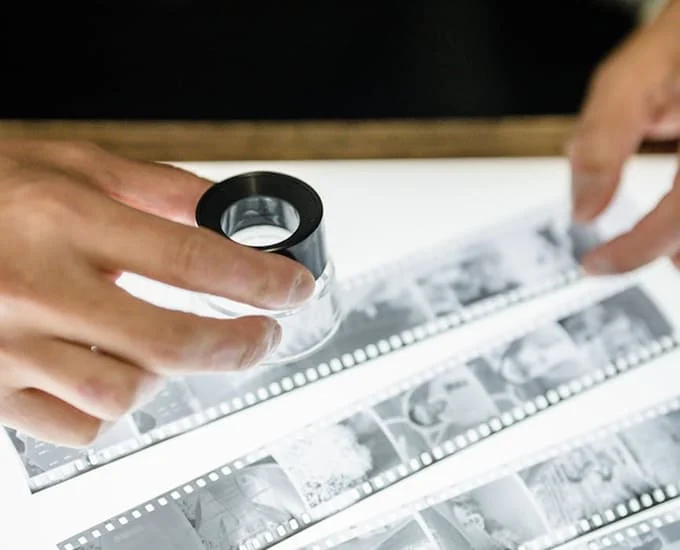
Modern vintage photo booths are perfect examples: they look analog but deliver digitally. They feel nostalgic but share instantly. They create physical prints AND social content. The nostalgia is the wrapper, not the limitation.
Create Participation Scripts, Not Learning Curves
Nostalgic experiences should be instantly understood. If you need signage explaining how to engage, you've already failed.
This is why photo booths work so universally. Everyone knows: enter, sit, look at camera, get photos. No instruction needed.
Measure the Right Things
Nostalgia marketing won't win on innovation scores. It wins on:
- Participation rate
- Dwell time
- Emotional response
- Social sharing (organic, not prompted)
- Memory durability
- Brand affinity lift
If you're measuring the wrong KPIs, nostalgic experiences will look like failures even when they're succeeding.
The Role of Physical Artifacts in Digital Overwhelm

Here's something nobody talks about: physical objects are becoming luxury items in marketing.
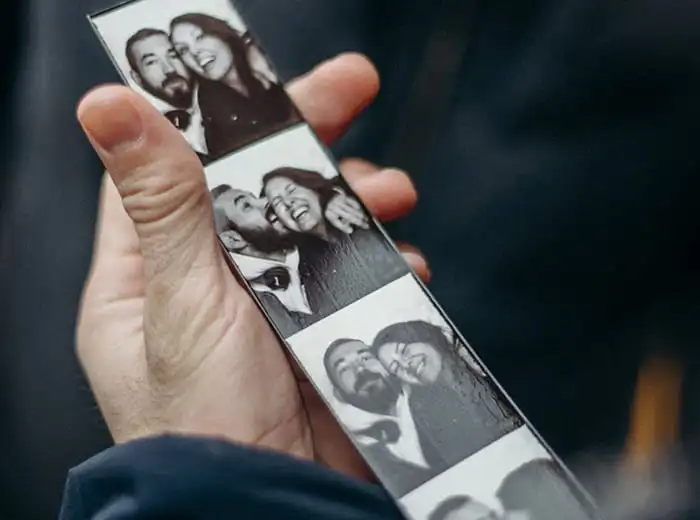
Everything is digital. Everything is virtual. Everything disappears the second you close the app. In that context, a physical photo strip becomes exponentially more valuable—not despite being analog, but because of it.
Research on the digitalization of retail shows that as experiences become increasingly digital, consumers place higher value on tangible touchpoints. Physical artifacts create stronger emotional bonds and longer memory retention than purely digital experiences.
For brands, this means nostalgic photo experiences do double duty: they create the moment AND the artifact that makes the moment last.
Why 2026 Is the Tipping Point for Nostalgia Marketing
Several forces are converging:
1. Peak Digital Fatigue
We've hit the wall. McKinsey's State of Consumer 2025 report shows consumers increasingly value experiences that don't require a screen, an app, or a login. People are desperate for tangible, real-world interactions.
2. Gen Z's Analog Obsession
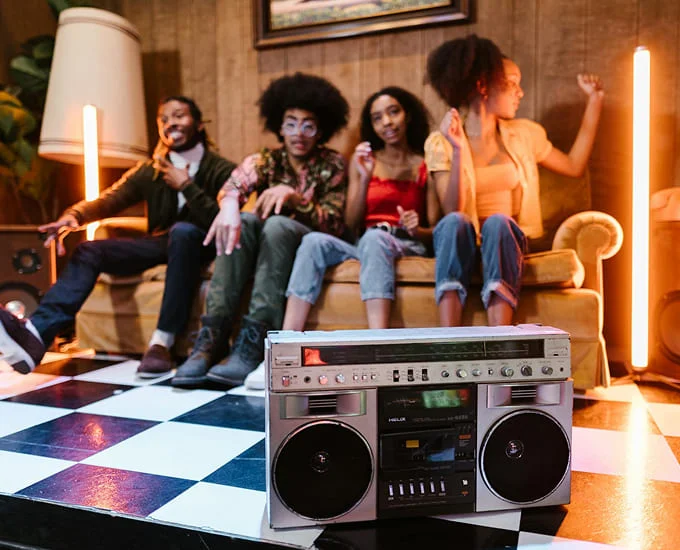
According to research on Digital Nostalgia Marketing and Gen Z consumption, Gen Z consumers—who never knew analog—are paradoxically drawn to retro aesthetics and physical experiences. They're not nostalgic for their own past; they're nostalgic for a past that feels more intentional than their digital present.
3. AI Anxiety
As AI makes everything possible, people crave experiences that feel decidedly human. Nostalgic formats signal "made by humans, for humans" in ways that cutting-edge tech cannot.
4. The Trust Crisis
PwC's 2024 Voice of Consumer Survey reveals that people don't trust brands, media, or institutions as they once did. But they trust their memories. Nostalgia marketing borrows that trust by association.
How Agencies Should Position Nostalgia Marketing to Clients

Stop selling it as "retro" or "vintage" or "throwback." Those words make it sound like a creative choice, not a strategic one.
Instead, position it as:
Emotional accessibility: "This removes barriers between your brand and your audience by using familiar formats that require zero learning curve."
Cognitive kindness: "In an overwhelming environment, this gives people permission to engage without thinking."
Authentic content generation: "This produces real moments, not performed ones, because people feel safe enough to be themselves."
Memory architecture: "This creates experiences that stick because they're anchored to existing emotional frameworks."
When you frame nostalgia marketing as behavioral science instead of creative trends, clients stop seeing it as risky and start seeing it as reliable.
The Integration Play: Nostalgia + Innovation
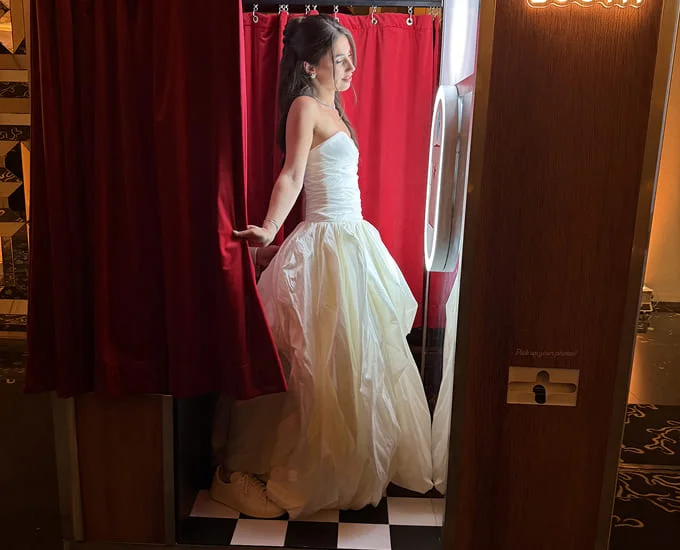
The most sophisticated nostalgia marketing doesn't choose between past and future. It uses the past to make the future accessible.
Examples we're seeing:
- AI photo transformations delivered through vintage photo booths
- QR codes hidden in retro packaging
- Digital experiences wrapped in analog interfaces
- Modern products launched in nostalgic spaces
At Capture Pod, we regularly integrate cutting-edge technology into nostalgic formats. Our vintage booths can trigger AI transformations, connect to real-time social walls, or feed into data analytics platforms.
The booth is nostalgic. The capabilities are not. That combination is unstoppable.
The Nostalgia Marketing Playbook for 2026
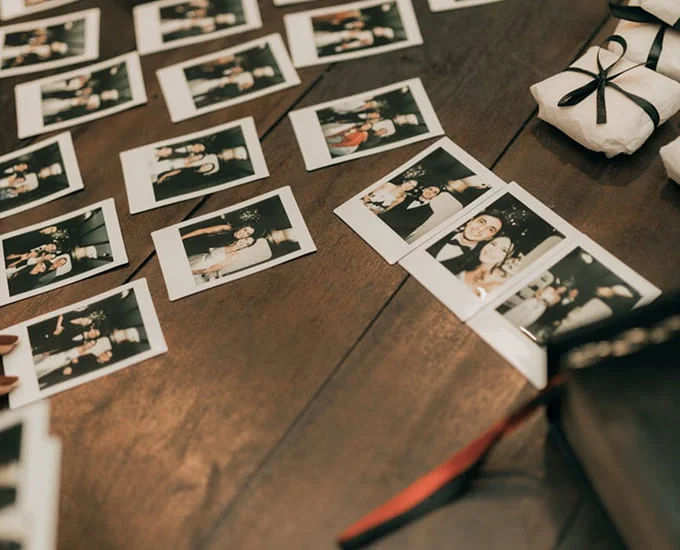
Here's your tactical framework:
1. Audit Your Friction Points
Where do people hesitate in your current experience? Where do they need instruction? Where do they look confused? Those are your opportunities for nostalgic solutions.
2. Choose Familiar Formats Over Novel Features
Stop trying to be the first. Start trying to be the most comfortable. A perfectly executed familiar experience beats a poorly executed innovation every time.
3. Create Physical Anchors for Digital Experiences
Even if your activation is mostly digital, include something tangible. Photo strips. Badges. Tickets. Stamps. Physical objects make digital experiences feel real.
4. Protect the Emotional Tone
Don't over-brand. Don't over-instruct. Don't over-complicate. The power of nostalgia marketing is its simplicity. Protect that at all costs.
5. Measure Emotional Outcomes, Not Just Behavioral Ones
Track how people feel, not just what they do. Post-experience surveys should ask about comfort, enjoyment, and likelihood to remember—not just likelihood to purchase.
Why Retro Photo Experiences Will Dominate 2026 Events
Everything points to photo booths having their biggest year yet:
- Shareability without performance: Real moments, not staged content
- Privacy in public spaces: Enclosed experiences in open environments
- Group experiences that scale: Multiple people, one simple interaction
- Content that doesn't expire: Physical prints that outlast digital posts
- Universal understanding: Zero education required
For agencies and brands, this means vintage photo booths aren't a nice-to-have. They're becoming the reliable core around which other experiences orbit.
Not because they're trendy, but because they work. Every time.
The Bottom Line on Nostalgia Marketing

Nostalgia marketing in 2026 isn't about the past. It's about making the present feel manageable.
In a world of constant innovation, familiar experiences become revolutionary. In a world of digital everything, physical artifacts become luxury. In a world of complexity, simplicity becomes sophisticated.
Retro photo experiences—especially vintage photo booths—are the perfect expression of this dynamic. They're immediately understood, emotionally comfortable, socially connective, and mechanically simple.
For event marketers and brands, mastering nostalgia marketing isn't about learning something new. It's about remembering what already works, and deploying it strategically in a world that's forgotten.
The brands that win in 2026 won't be the ones with the newest technology. They'll be the ones who make people feel something familiar in an unfamiliar world.
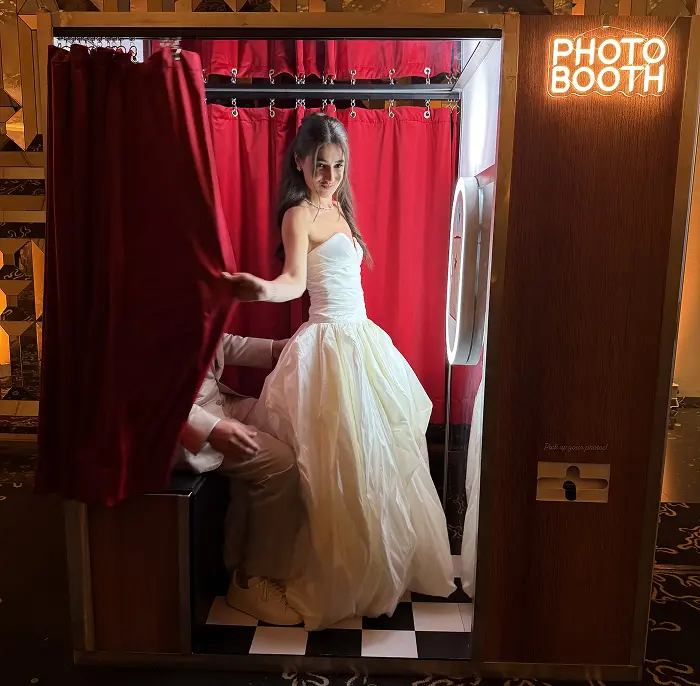
And sometimes, that's as simple as stepping into a booth, closing a curtain, and taking a photo with your friends.
Because in the end, the most innovative thing you can do is make people feel human again.
Featured posts
Get Exclusive Tips for Creating Unforgettable Brand Experiences




